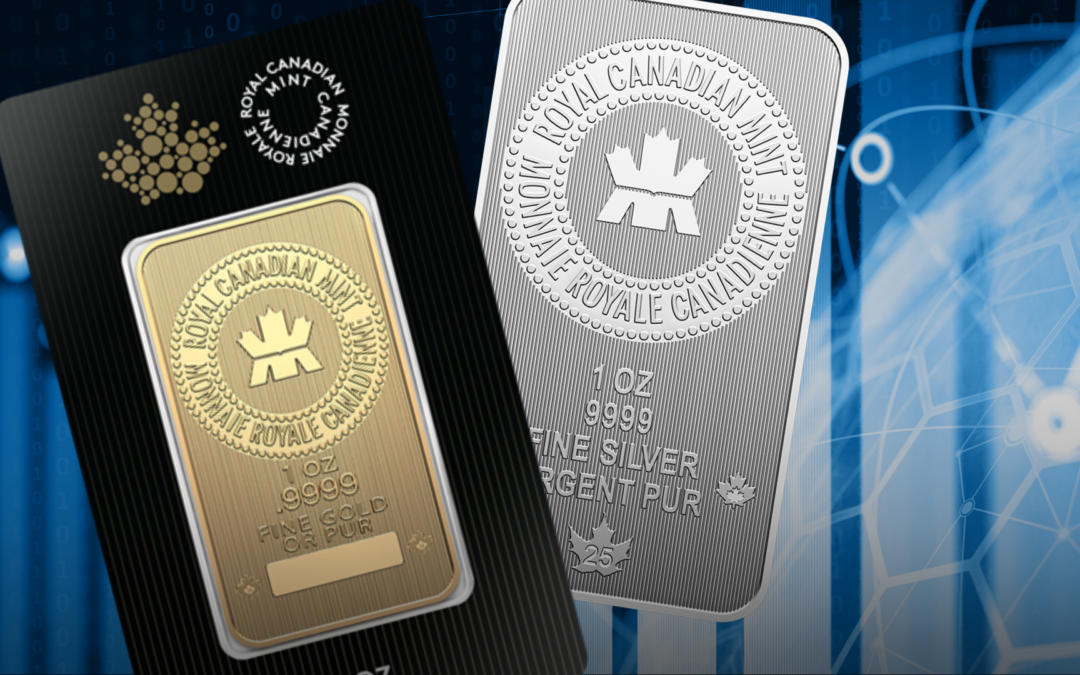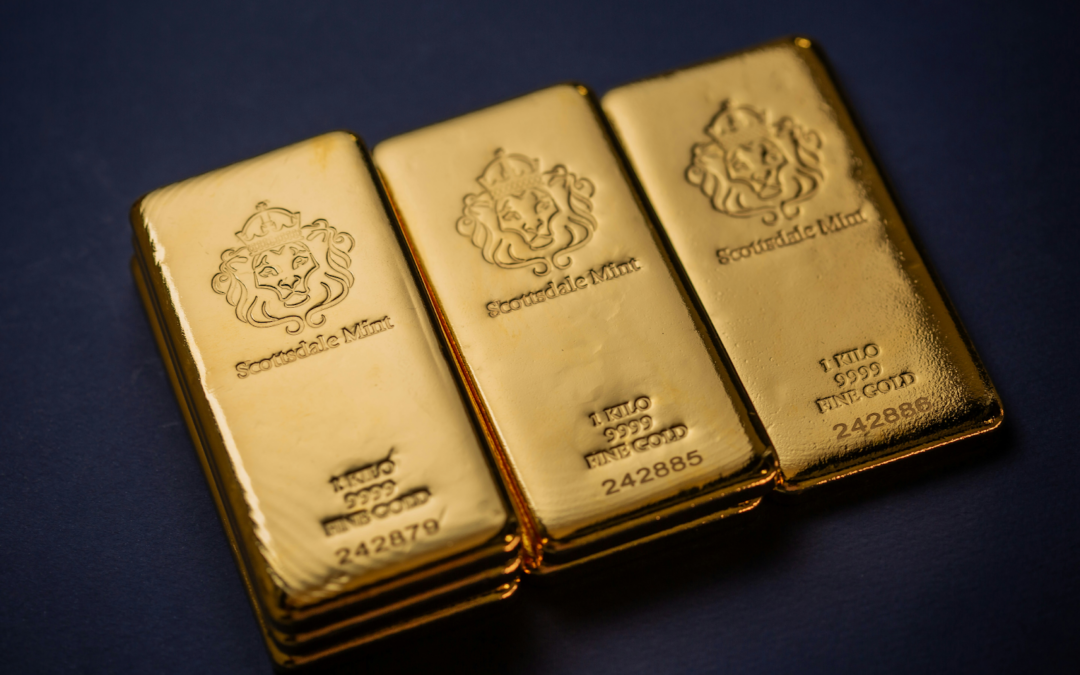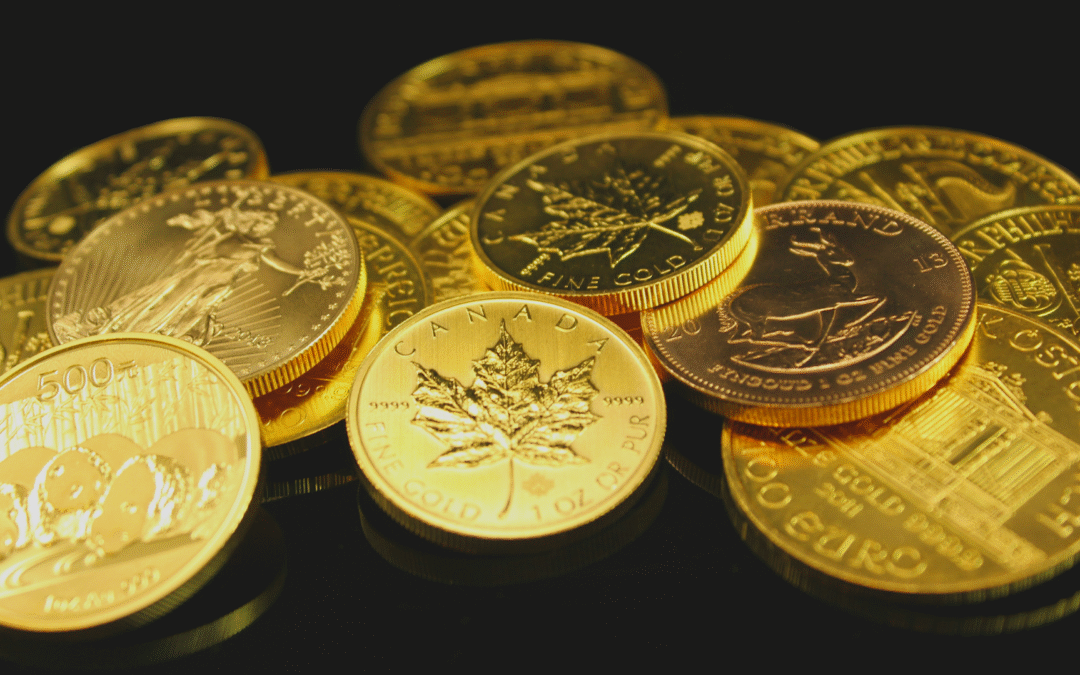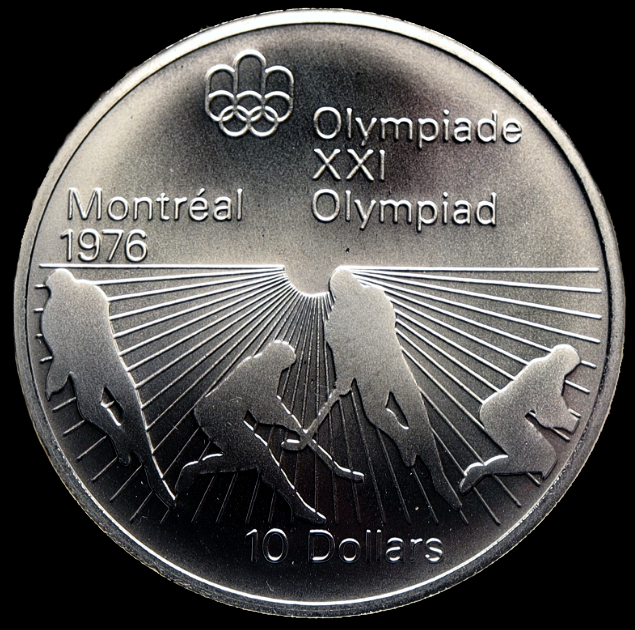
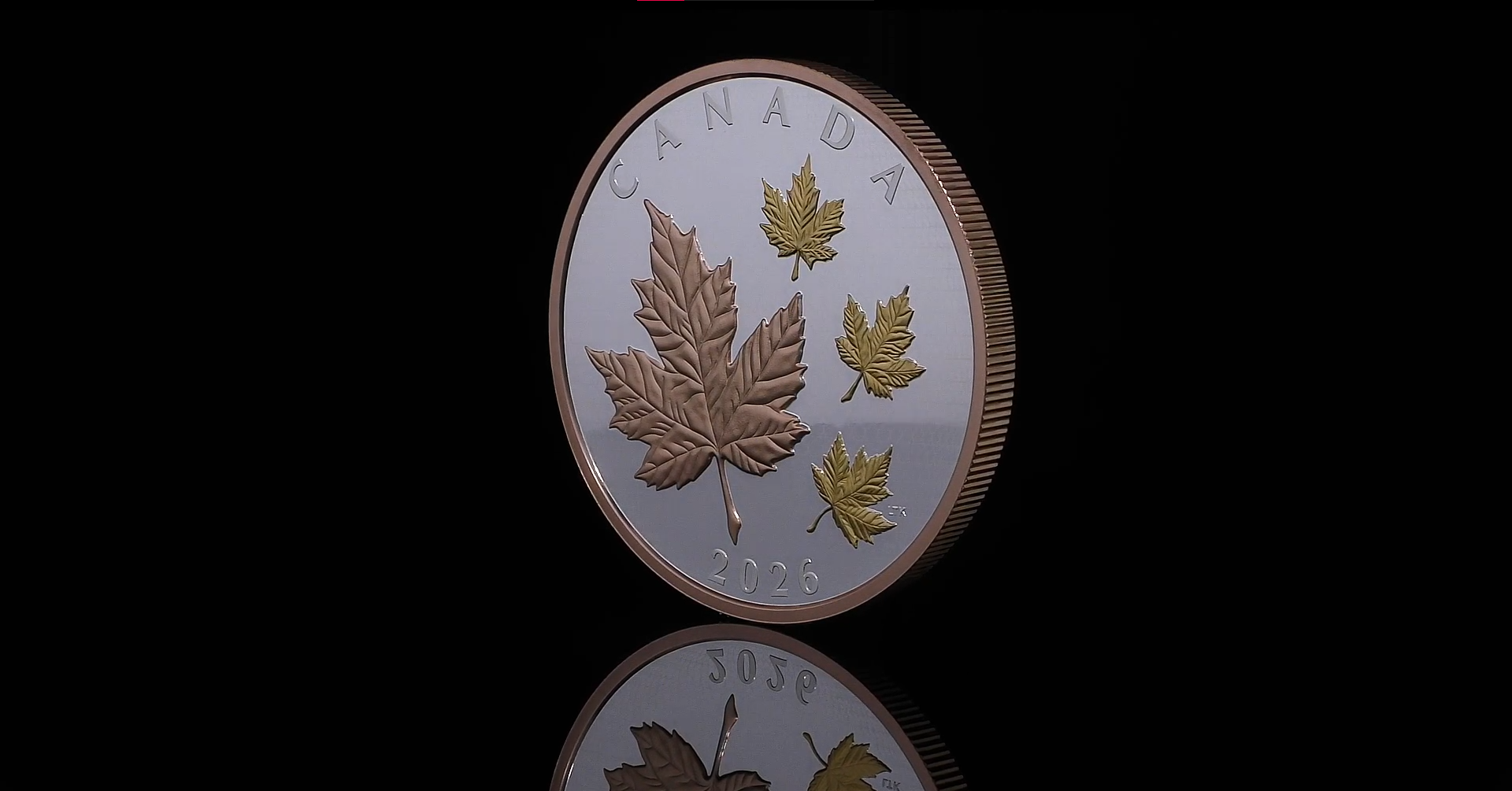
The world of numismatics has entered a new era where coins serve as high-tech design marvels. Understanding the know-how behind these coins is of central interest to our visitors at Canada Gold. Whether it's the renowned precision of the Royal Canadian Mint or the experimental techniques of overseas mints, the industry is redefining what's possible in terms of minting depth and level of detail. To help collectors explore these advances, we offer access to a worldwide range of specimens, in person at our branches and through our sister company, Canadian Coin & Currency (site in English).
From refined metal to precision blanks
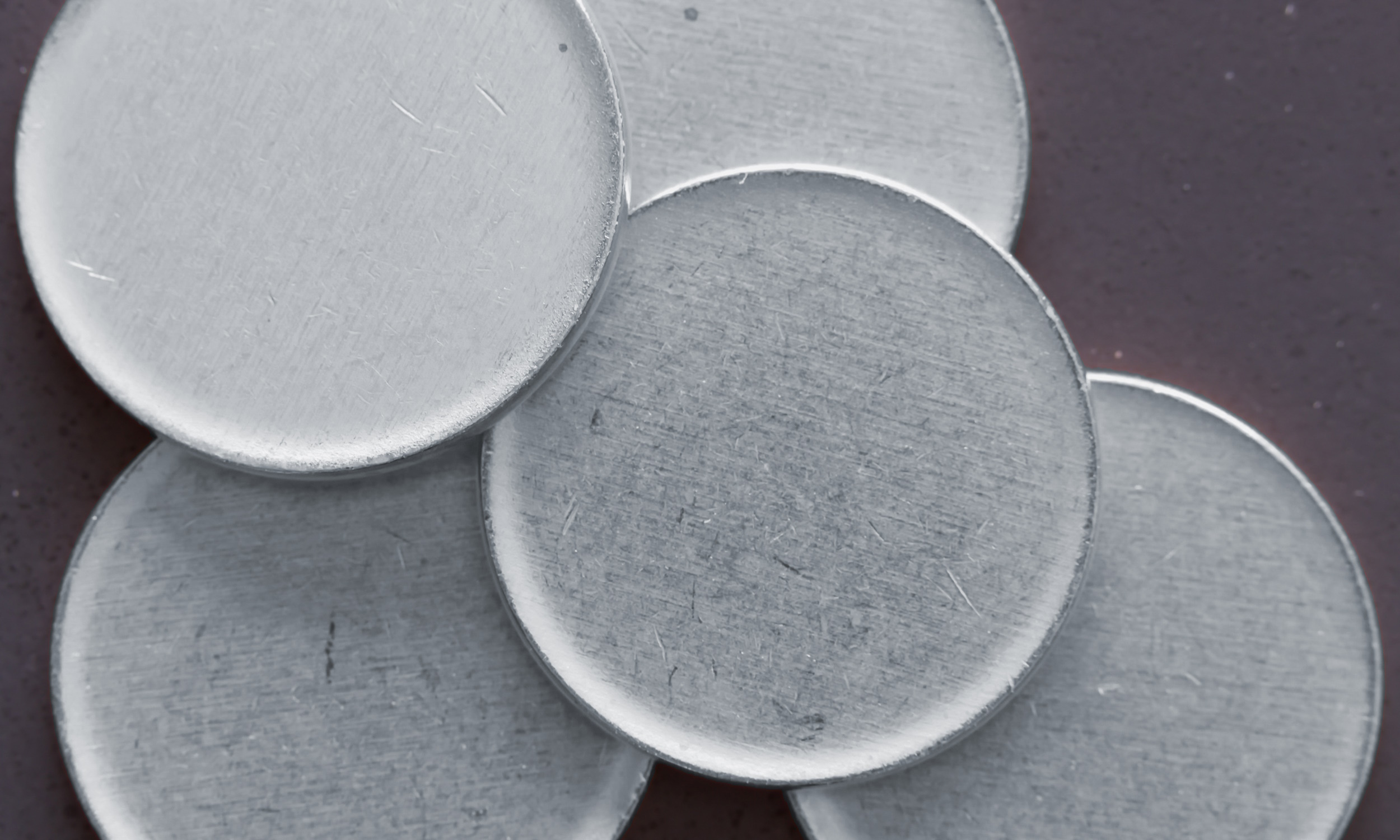
Every piece begins with metallurgy. Precious metals such as gold and silver must be refined to strict purity standards, often reaching a fineness of 99.99 %. Base metals, on the other hand, are carefully alloyed to balance strength, cost and wear resistance. Once the composition has been finalized, the metal is rolled into uniform strips and fed into punching presses that cut discs - blanks - to very precise tolerances.
These blanks undergo annealing, a controlled heating and cooling process that softens the metal and prepares it for striking. They are then polished and cleaned to remove any surface imperfections. At this stage, even microscopic flaws count, as they would be permanently captured during striking. The result is a canvas perfectly prepared for the design to come.
Designing for the digital age
The design of pieces today lies at the intersection of traditional sculpture and advanced digital modeling. Artists may start with hand sketches or physical models, but these are quickly converted into high-resolution 3D renderings using specialized software. This allows designers to experiment with depth, texture and light in a way that was not previously possible.
Engraving has evolved alongside design. Modern corners are often created using CNC machining and laser engraving, capable of reproducing incredibly fine detail - down to fractions of a millimeter. This precision makes it possible to incorporate elements such as micro-texture, complex radial lines and realistic textures that enhance both aesthetics and safety.
Frappe: where metal meets design
The coining process is where engineering and art meet. Blanks are fed into coining presses, where immense pressure - often measured in hundreds of tons - is applied to transfer the corner design onto the metal. The way a part is struck can dramatically influence its final appearance.
Ingot coins are usually struck once at high speed for reasons of efficiency, while collector coins are treated very differently. Slower press cycles and multiple strikes allow the metal to completely fill each recess of the wedge, producing sharper details and more refined surfaces. Variations in pressure, corner polish and number of strokes can create finishes ranging from mirror-proof to delicately frosted matt textures.
Ultra-high relief: pushing back physical limits
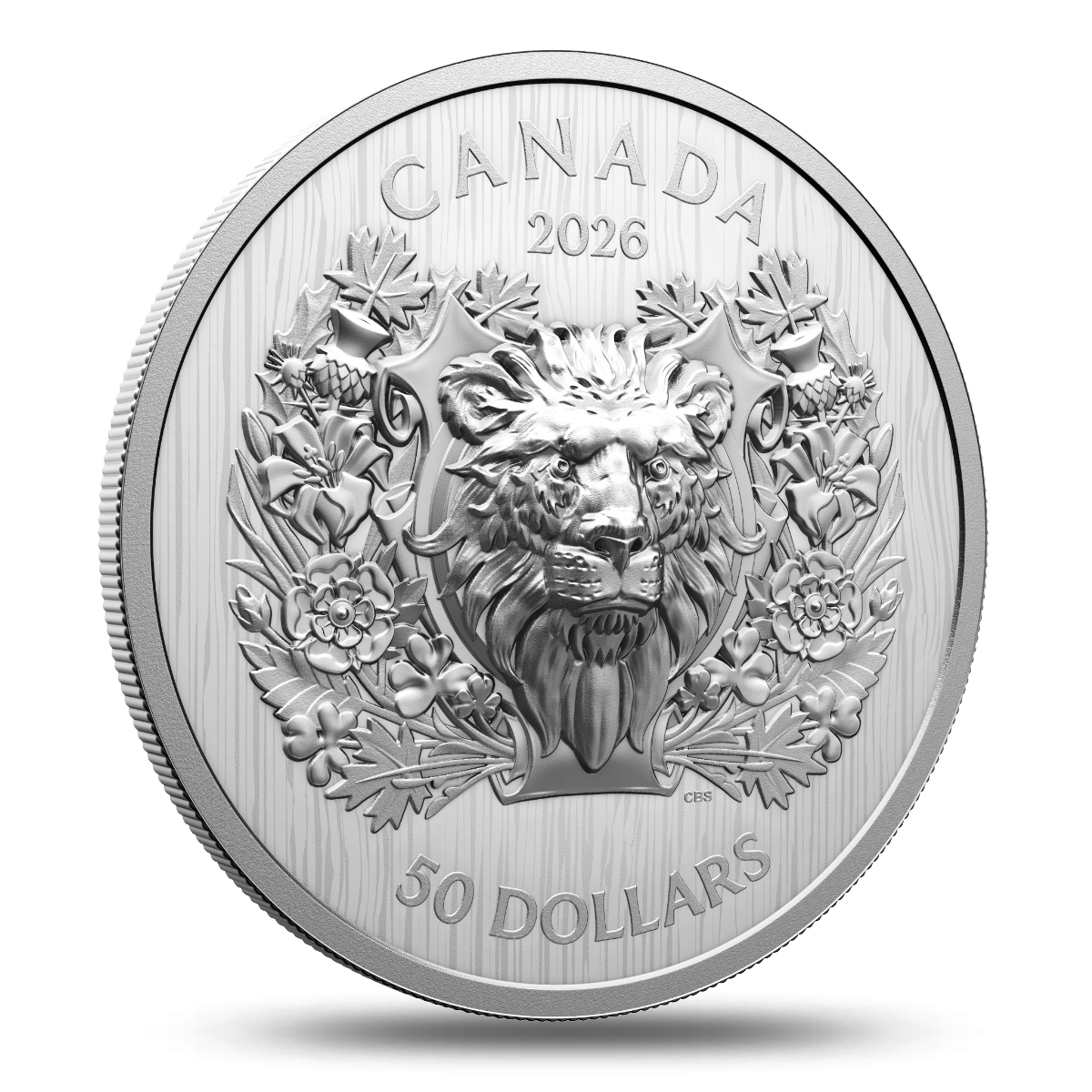
Ultra-high relief coins represent one of the most demanding technical advances in modern coinage. By dramatically increasing the height of the design above the surface of the coin, these examples achieve a sculptural quality closer to medal art than traditional numismatics.
Coin of 50 $ Lion heraldic is an excellent example. Its raised elements require several strikes and carefully calibrated pressure to ensure that the metal fills the deepest parts of the corner without causing cracks or loss of detail. The result is a piece of remarkable dimension, where light and shadow interact dynamically on the surface.
Selective gilding: contrast and expertise
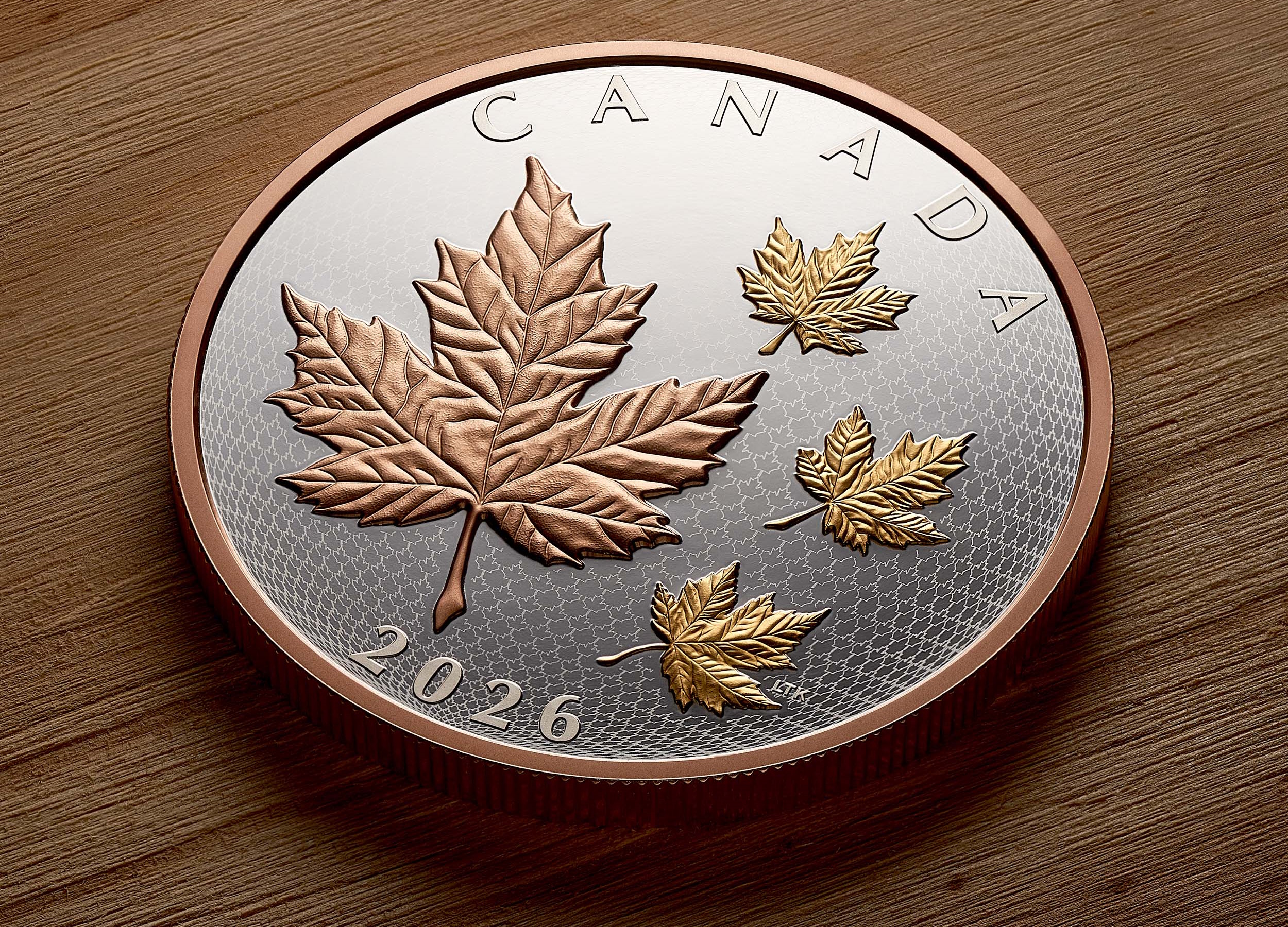
Selective gold plating adds a second layer of craftsmanship by combining different metals within a single design. Using precision masking techniques, specific areas of a finished piece are electroplated with gold, while the surrounding surfaces retain their original metal.
This process requires exact control - not only to define clear boundaries between gilded and non-gilded areas, but also to ensure that the gold layer adheres evenly without obscuring fine details. Silver coin Maple leaves in motion dorée illustrates how this technique can guide the viewer's gaze, emphasizing movement and focal points within an already complex design.
Colorization: parts as canvas
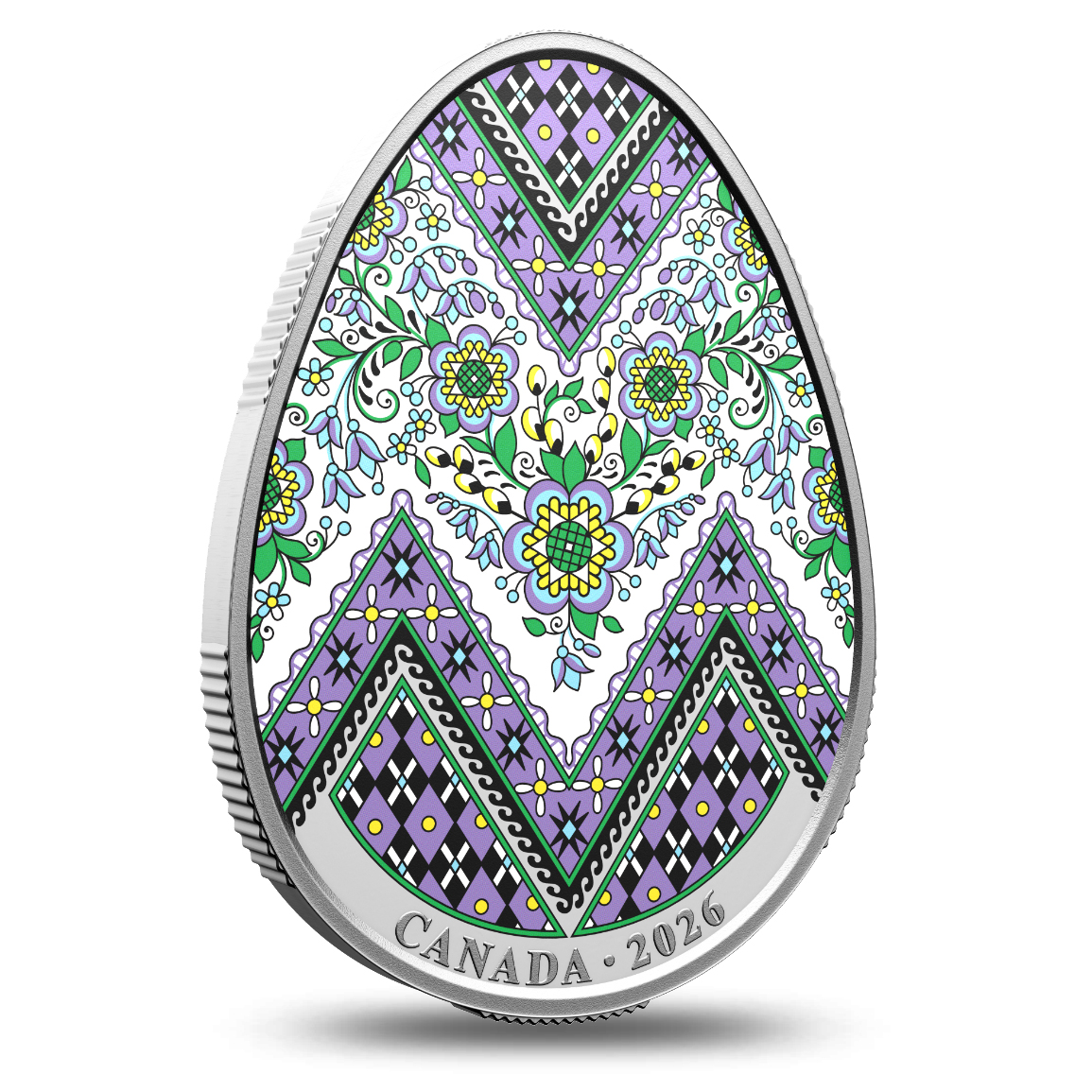
Color has opened up entirely new possibilities in part design. Modern coloring techniques use highly controlled printing methods to apply pigments directly to the surface of the part, often in several layers. These applications are designed to last, ensuring that the color remains stable over time without harming the underlying metal.
The Ukrainian Pysanka silver coin is a remarkable example. Inspired by traditional Ukrainian egg decoration, it combines vibrant colors with intricate engraved patterns, producing a piece that is both culturally rich and technically sophisticated. The interplay between color and relief perfectly illustrates the evolution of striking technology.
Large-format parts and global innovation
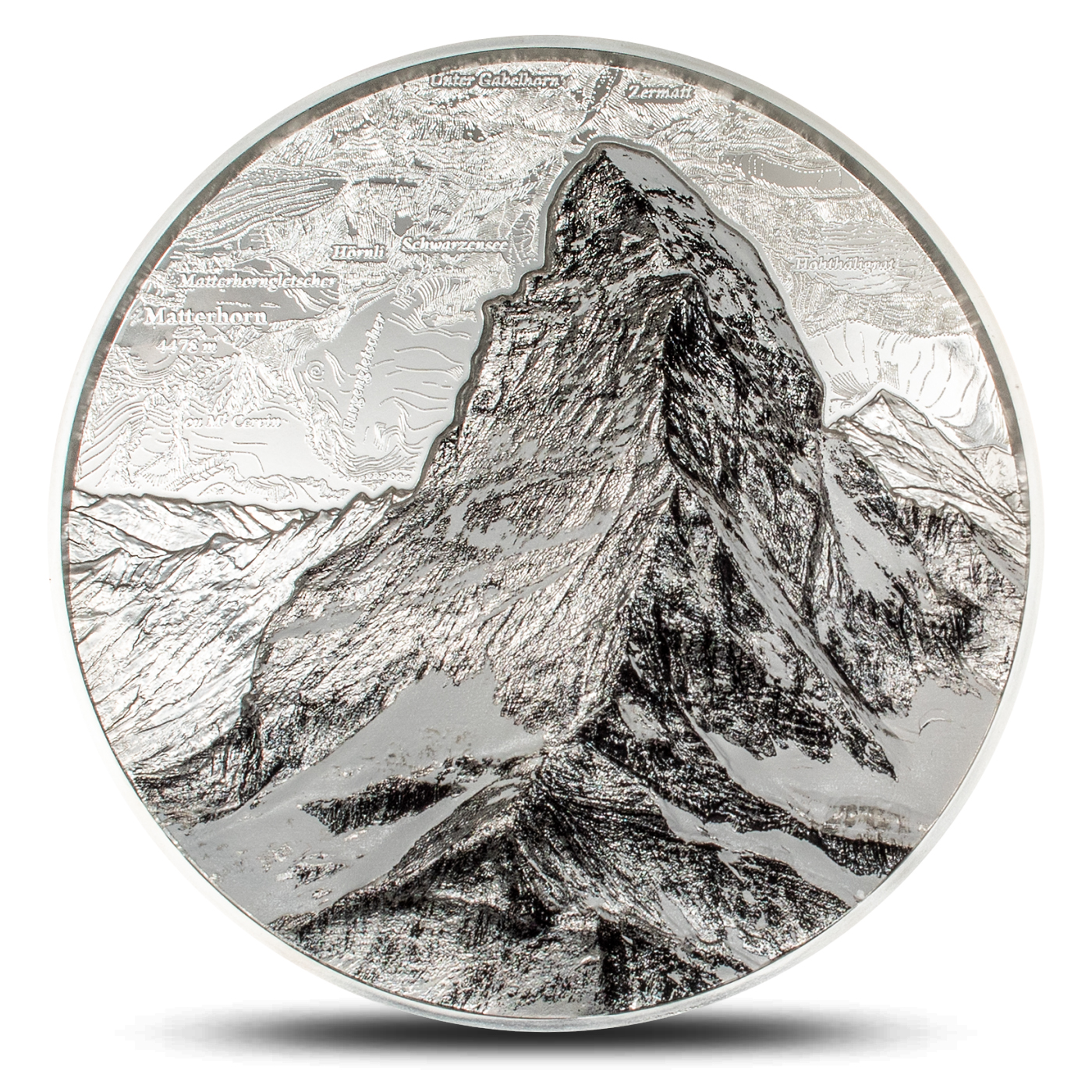
Innovation in coinage is not limited to surface treatments: scale has become a defining feature of some of the most impressive modern issues. Larger parts present unique engineering challenges, especially when combined with high relief, as the metal must flow evenly over a much larger surface.
2 kg Matterhorn silver coin from CIT Coin Invest perfectly illustrates this trend. Using advanced technology, it achieves spectacular topography on a full kilogram of silver, capturing the rugged detail of the iconic mountain landscape. Coins like this blur the line between coin and sculpture, demonstrating how mints around the world are redefining the possibilities of the medium.
A global push for innovation
Although the Royal Canadian Mint is widely recognized as a leader in minting technology, it operates in a highly innovative global environment. Institutions such as the Perth Mint and the Austrian Mint continue to experiment with new techniques, materials and finishes.
From advanced relief technologies to integrated elements and complex multi-metal constructions, these monetary workshops collectively expand what a part can be. The result is a rapidly evolving field where creativity and engineering go hand in hand.
Beyond metal: a new era of striking
What defines modern numismatics lies not only in the materials used, but in the way these materials are transformed. Techniques such as ultra-high relief, selective gilding and colorization are superimposed on a foundation of precision engineering, resulting in coins that tell a story as much as they possess intrinsic value.
Today, parts occupy a unique space: part investment, part collector's item and part work of art. As technology continues to advance, this boundary will only widen.
As an authorized distributor of the Royal Canadian Mint, Canada Gold offers access to many of these limited-edition collector coins. Through our sister company, Canadian Coin & Currency, customers can discover and acquire not only Canadian issues, but also a choice selection of innovative coins from the world's leading mints - all available in the Canada Gold branches across Canada.
For more details on certain products, visit our sister company's website. Canadian Coin & Currency (site in English).